
Sanitary Pad Production Process

Complete Sanitary Pad Manufacturing Process

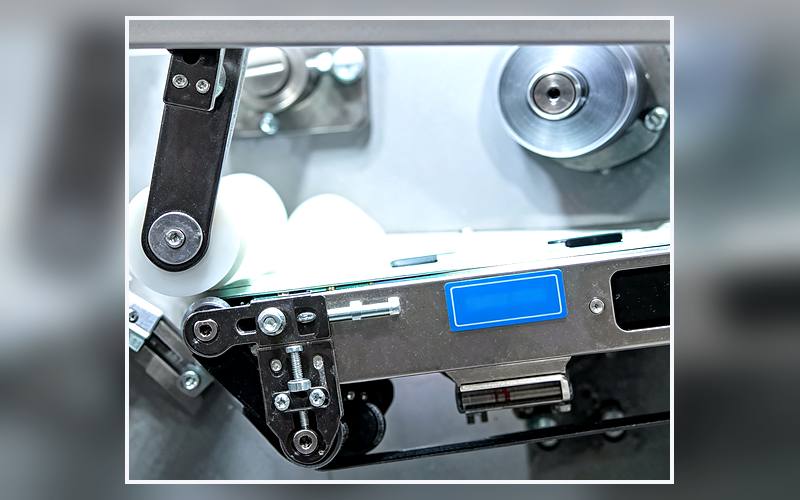
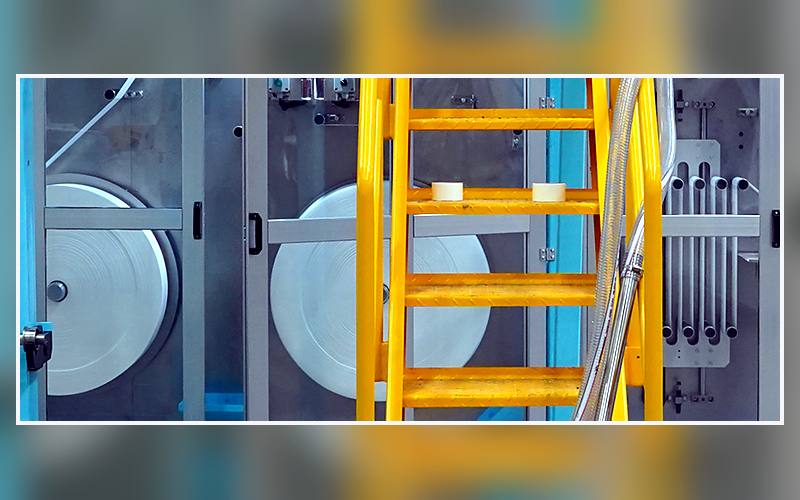
The complete production process, ranging from core forming and composite assembly to folding, packaging, sealing, and the output of the finished product.

Stage A

Core Forming

This stage builds the absorbent core foundation. It covers tissue feeding, pulp fiber preparation, forming, SAP dosing, ADL addition and inner cutting so the core reaches the required shape and handling condition for downstream lamination.

Crushing capacity450 kg/h
Servo control6 axes
SAP dosing1 lane
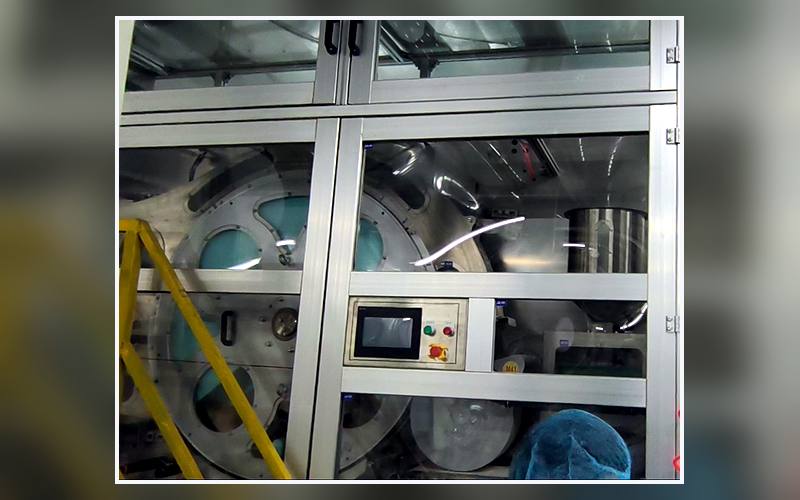
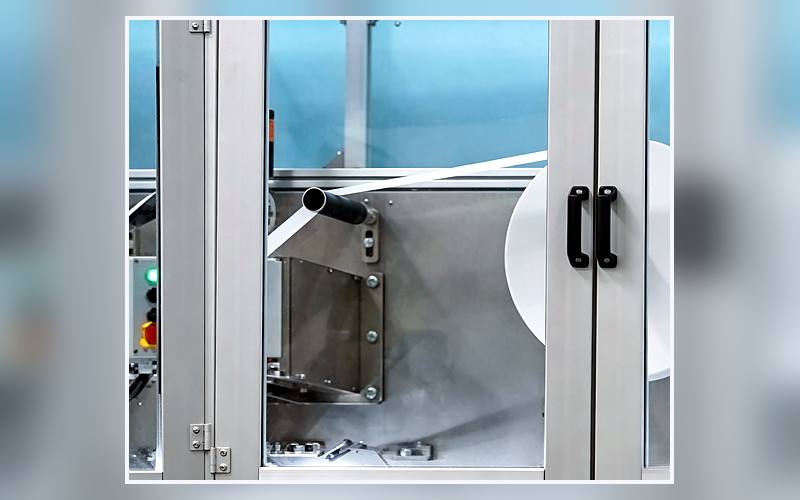
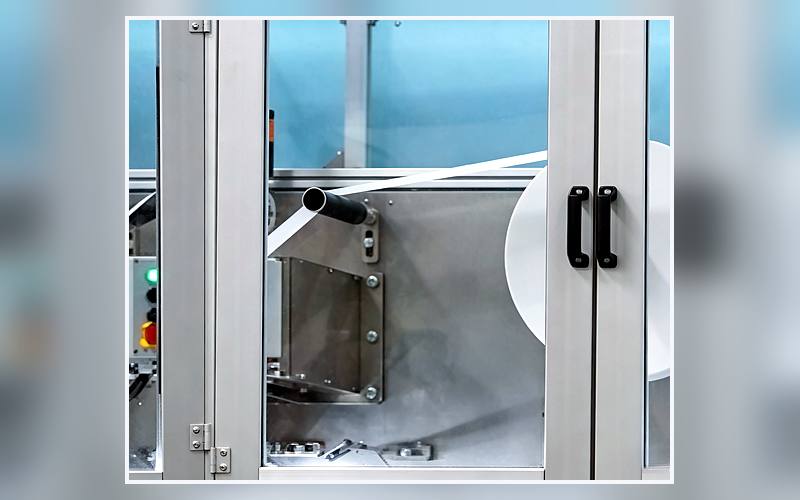
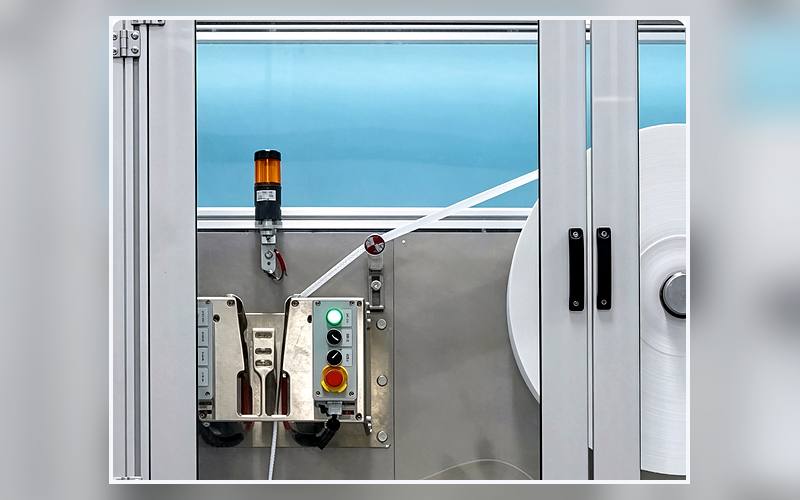
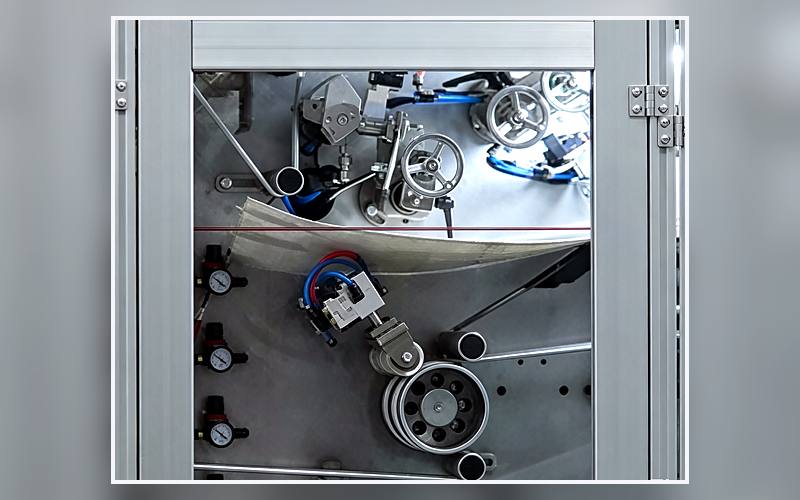
Station 01 Down Tissue Unwind on a sanitary napkin production line
Stage AStation 01 / 21

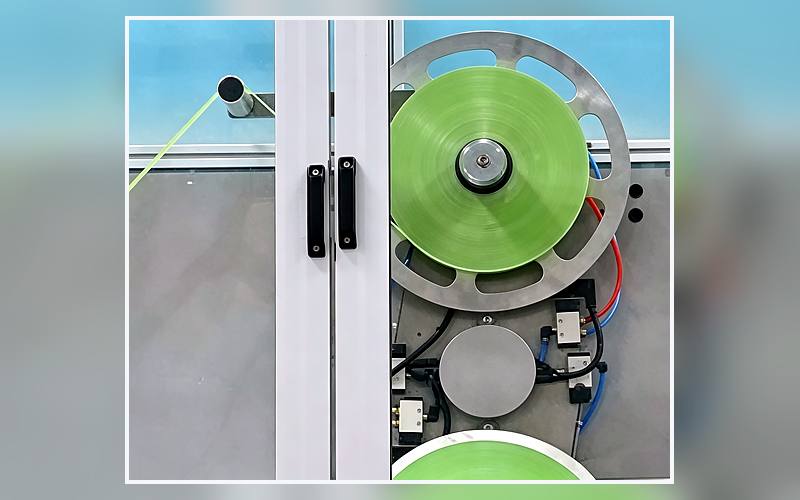
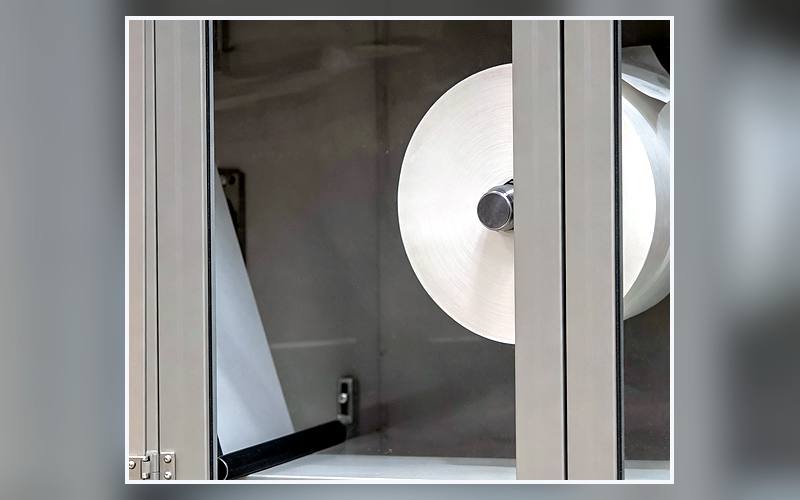
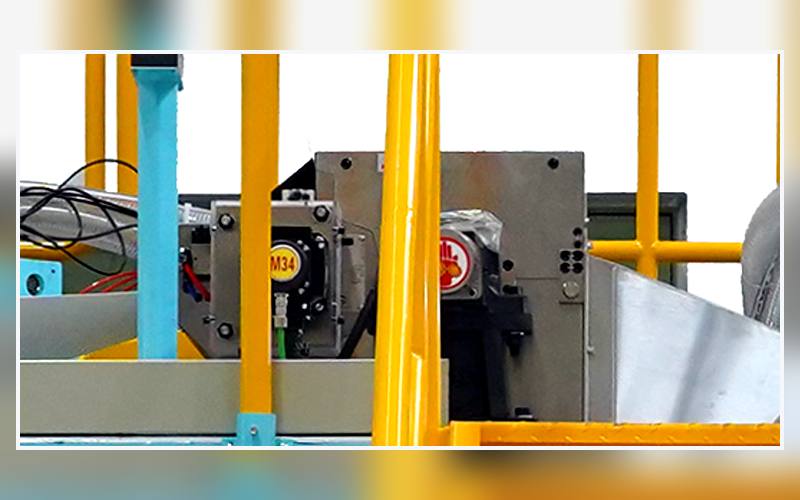
Down Tissue Unwind

Unwinds the tissue jumbo roll, applies adhesive and feeds the bottom support layer into the core-forming area.

How It Works

The tissue web is unwound under stable tension and positioned to receive the transferred pulp core from the forming section.

Key Features

Constant tension, pre-glued surface, drum-synced conveying and automatic web guiding keep the layer stable.
Station 02 Crusher on a sanitary napkin production line
Stage AStation 02 / 21

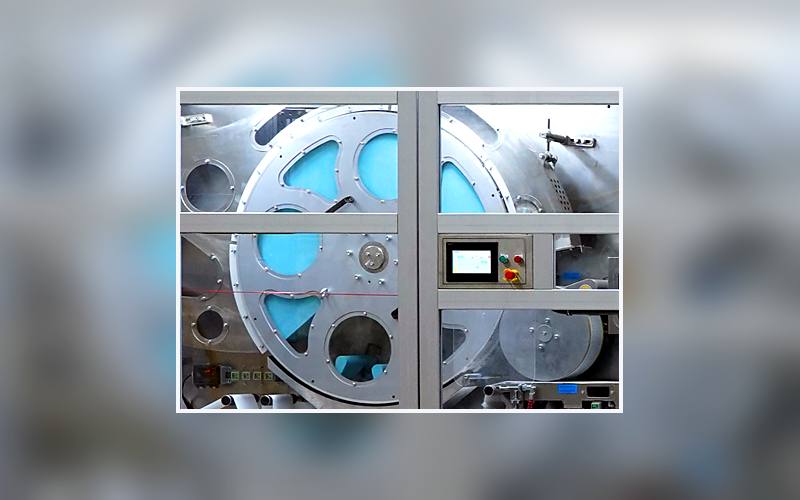
Crusher

Refines pulp boards into uniform fibers for absorbent core preparation.

How It Works

A tooth-blade crusher with servo-controlled feeding processes fluff pulp into loose, even fibers ready for forming.

Key Features

450 kg/h class capacity, alloy blades, variable-frequency speed control, vibration-isolated base and wide material compatibility.

Station 03 Forming Drum on a sanitary napkin production line
Stage AStation 03 / 21

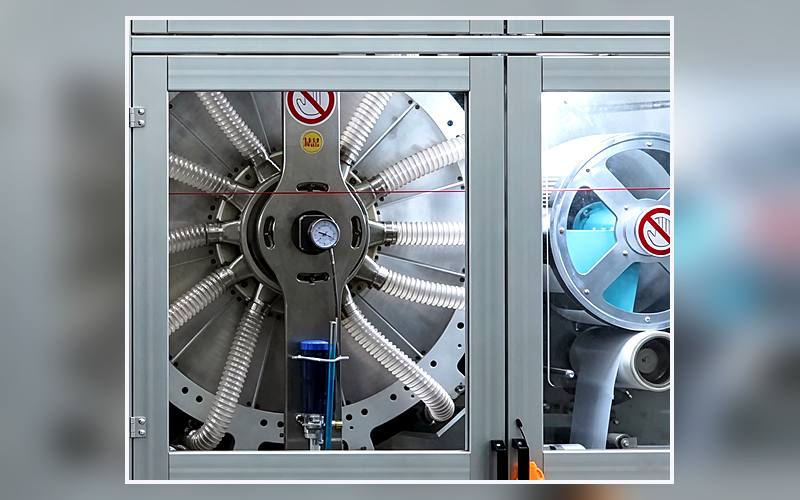
Forming Drum

Shapes loose fibers into a controlled core preform.

How It Works

The forming drum connects directly to the crusher and works with the transfer wheel to pick up, compress and shape the pulp core.

Key Features

Three-zone forming control, sweeper redistribution, hot-air assist, vacuum monitoring and stainless etched mesh support repeatable forming.

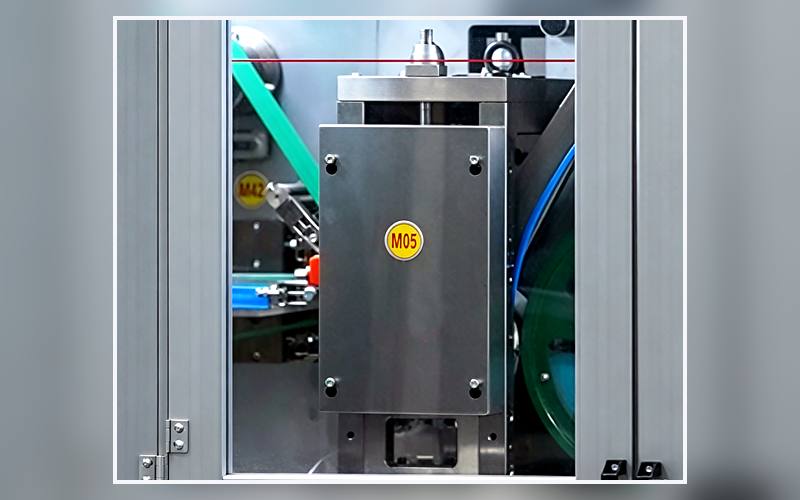
Station 04 SAP Addition on a sanitary napkin production line
Stage AStation 04 / 21

SAP Addition

Applies super absorbent polymer onto the core according to the product structure.

How It Works

The dosing unit meters powder SAP from the hopper and applies it evenly onto the core surface with automatic feeding support.

Key Features

Adjustable dosage, servo-driven metering, low-level alarm and automatic refill improve process continuity.

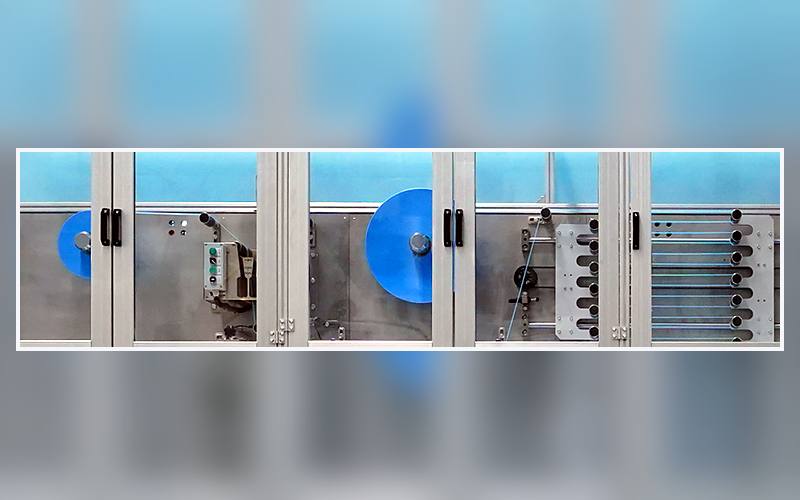
Station 05 Blue Core Layer Unwind on a sanitary napkin production line
Stage AStation 05 / 21

Blue Core Layer Unwind

Feeds the blue acquisition and distribution layer for core enhancement.

How It Works

The ADL web is unwound smoothly and positioned for the next wrapping and core-combination sequence.

Key Features

Constant tension, automatic web guiding, closed-loop tension control and line-synced feeding maintain material stability.

Station 06 Blue Core Addition & Wrapping on a sanitary napkin production line
Stage AStation 06 / 21

Blue Core Addition & Wrapping

Adds and wraps the blue core layer onto the absorbent core.

How It Works

The ADL layer is aligned and wrapped around the core so the absorbent structure reaches the intended acquisition format.

Key Features

Automatic addition, roller wrapping, core-synced motion and controllable tension support accurate lamination.

Station 07 Core Bottom Tissue Unwind on a sanitary napkin production line
Stage AStation 07 / 21

Core Bottom Tissue Unwind

Introduces the lower tissue layer for core lamination.

How It Works

A bottom tissue web is unwound into position and synchronized with the moving core so the structure is ready for cutting and transfer.

Key Features

Constant tension, automatic web guide and synchronized conveying help maintain layer alignment.

Station 08 Cotton-Core Inner Cutter on a sanitary napkin production line
Stage AStation 08 / 21

Cotton-Core Inner Cutter

Cuts the absorbent core into its designed internal shape.

How It Works

A rotary cutting unit with suction transfer trims the core according to the target contour before it enters the assembly stage.

Key Features

Rotary knife and anvil structure, servo-driven motion, suction transfer and shape-defined cutting improve repeatability.

Stage B

Composite Assembly

This stage turns the core into a finished sanitary napkin body. Bottom film, topsheet, three-piece structure and release paper are introduced in sequence, while embossing, perimeter sealing, outer cutting and 90-degree transfer prepare the product for individual wrapping.

3-piece topsheet45–75 mm
Sealing methodHeated
Outer cutAdjustable
Station 09 Bottom Film Unwind on a sanitary napkin production line
Stage BStation 09 / 21

Bottom Film Unwind

Feeds the PE backsheet film that provides the waterproof bottom layer.

How It Works

The bottom film is unwound under stable tension and delivered into the lamination section for body assembly.

Key Features

Constant tension, automatic web guiding, closed-loop tension control and lamination-synced feeding protect web stability.

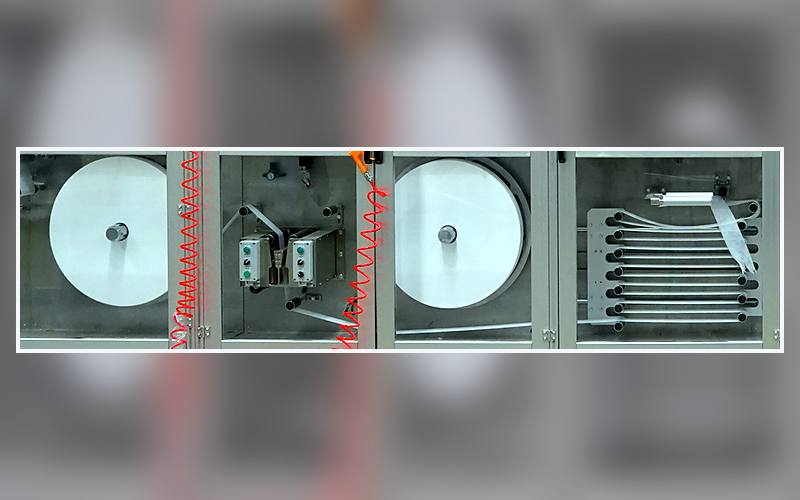
Station 10 Topsheet Unwind on a sanitary napkin production line
Stage BStation 10 / 21

Topsheet Unwind

Feeds the topsheet nonwoven that forms the skin-contact surface.

How It Works

The topsheet material is unwound and aligned for smooth integration with the core and bottom film.

Key Features

Constant tension, automatic web guide and synchronized feeding support neat topsheet handling.

Station 11 Three-Piece Lamination on a sanitary napkin production line
Stage BStation 11 / 21

Three-Piece Lamination

Builds the three-piece topsheet structure around the product body.

How It Works

The side nonwoven is slit and guided to both sides of the center web, forming the three-piece topsheet arrangement used in the product design.

Key Features

Pneumatic centerline slitting, independent AC drive and dual-side synchronized feeding help form the three-piece structure.

Station 12 Three-Piece Embossing on a sanitary napkin production line
Stage BStation 12 / 21

Three-Piece Embossing

Heat-bonds and embosses the three-piece topsheet structure.

How It Works

Heated rollers bond the side and center nonwoven layers into one integrated topsheet assembly.

Key Features

Heated upper and lower rollers, adjustable width from 45–75 mm and servo-driven motion stabilize the embossing result.

Station 13 Peripheral Sealing on a sanitary napkin production line
Stage BStation 13 / 21

Peripheral Sealing

Seals the perimeter and presses the designed product outline and pattern.

How It Works

The sealing rollers apply heat and pressure to define the sanitary napkin body and complete edge bonding.

Key Features

Heated rollers, shape-and-pattern embossing, closed-loop temperature control and servo drive support consistent sealing.

Station 14 Outer Cutter on a sanitary napkin production line
Stage BStation 14 / 21

Outer Cutter

Cuts the assembled product into its final external shape.

How It Works

A rotary blade and lower roller complete the final contour cut of each individual product.

Key Features

Rotary knife structure, servo-driven cutting and clean-cut control support accurate final geometry.

Station 15 Back Release Paper Feeding & Application on a sanitary napkin production line
Stage BStation 15 / 21

Back Release Paper Feeding & Application

Applies release paper to protect the adhesive on the product back side.

How It Works

Release paper is fed and applied in register so the adhesive area remains protected for later consumer use.

Key Features

Constant tension, precise positioning, automatic application and line-synced feeding improve placement accuracy.

Station 16 90° Lateral Transfer on a sanitary napkin production line
Stage BStation 16 / 21

90° Lateral Transfer

Turns the product 90 degrees and connects it to the pouch film path.

How It Works

A three-roll conversion unit changes the product direction and bonds it neatly onto the packaging film for the next stage.

Key Features

Three-roll conversion, 90-degree transfer, neat film bonding and servo-driven motion support smooth handoff.

Planning a sanitary napkin production line?

Use the full process view to compare core structure, material feeding, packaging requirements and the level of automation you need before final configuration.

Request Line Guidance
Stage C

Packing & Delivery

This stage completes the single-pack downstream sequence. It introduces pouch film, performs two-fold motion, embosses and seals the pouch, supports label application and removes defective products so accepted pieces leave the line in an organized condition.

Folding style2-fold
Emboss typeHeated
Seal typeHeated
Station 17 Pouch Film Unwind on a sanitary napkin production line
Stage CStation 17 / 21

Pouch Film Unwind

Feeds individual pouch film for downstream single-piece packaging.

How It Works

Packaging film is unwound and positioned in sync with the line to receive the transferred product.

Key Features

Constant tension, automatic web guide and synchronized feeding maintain pouch-film stability.

Station 18 Two-fold on a sanitary napkin production line
Stage CStation 18 / 21

Two-fold

Folds the product in half on the pouch film before final sealing.

How It Works

A dedicated folding unit with pouch positioning performs two-step folding to prepare the product for compact pouch packaging.

Key Features

Dual folding mechanisms, pouch positioning, servo-driven motion and precise alignment support neat folding.

Station 19 Pouch Embossing on a sanitary napkin production line
Stage CStation 19 / 21

Pouch Embossing

Embosses both pouch ends before final sealing.

How It Works

Electrically heated rollers emboss the pouch to improve package shape, identification and visual finish.

Key Features

Heated embossing rollers and servo control help stabilize embossing quality.

Station 20 Label Feeding & Pouch Sealing on a sanitary napkin production line
Stage CStation 20 / 21

Label Feeding & Pouch Sealing

Seals the pouch and can add a tamper or easy-open label at the sealing position.

How It Works

Heated sealing rollers close the pouch ends, slit the package into individual units and support automatic label feeding and application.

Key Features

Heated sealing rollers, individual pouch slitting, automatic label transport and accurate label placement improve packaging completeness.

Station 21 Finished Product Conveying & Rejection on a sanitary napkin production line
Stage CStation 21 / 21

Finished Product Conveying & Rejection

Conveys accepted products and removes unqualified pieces automatically.

How It Works

After individual pouch cutting, a rejection unit identifies conditions such as start-up or material-splice defects and removes those packs with compressed-air action.

Key Features

Compressed-air rejection, PLC-settable reject quantity, PLC plus manual control and automatic defect removal improve output organization.

Cross-line process control

Quality is built into every stage of sanitary napkin production

The line combines web handling, metering, positioning, sealing, cutting and controlled rejection instead of relying only on one final inspection point.

01
Material Feeding & Web Control

Tension management, web guiding and synchronized feeding keep raw materials stable from start to finish.

02
Absorbent Core Forming

Pulp crushing, drum forming and SAP dosing define the core structure and absorption capability.

03
Component Positioning

Layer alignment during ADL addition, topsheet handling and release-paper application supports repeatable assembly.

04
Lamination, Sealing & Cutting

Heated rollers, embossing units and cutting modules stabilize product geometry and package integrity.

05
Inspection & Output Control

Defect rejection and organized product discharge help accepted packs move cleanly into the next packing step.

Configuration note

Material widths, product sizes, embossing pattern, cut geometry, pouch style, label option and downstream packing interface should be treated as project-specific configuration items rather than universal values for every sanitary napkin line.

Frequently asked questions

Planning a sanitary napkin production line

These questions help connect the illustrated process with real product, output and configuration decisions.

Is every sanitary napkin production line made up of the same 21 stations?
-+

No. This page shows one complete reference configuration based on the uploaded process file. The final station arrangement can change with product structure, output target, packaging style and the level of automation required.

Which raw materials are commonly used on this line?
-+

Typical inputs include fluff pulp, SAP, tissue, ADL or blue core material, topsheet nonwoven, PE backsheet film, release paper, adhesives and pouch film for individual packaging.

Can the line support different sanitary napkin structures or package styles?
-+

Yes. Product structure, embossing pattern, cutting geometry, release-paper format and pouch details should be confirmed during line configuration, because tooling and station setup depend on the target product.

Which process points are most important for product consistency?
-+

Core formation, SAP metering, web-tension control, lamination alignment, perimeter sealing, cutting accuracy and rejection logic all influence product consistency across the line.

What project information should be prepared before discussing the line?
-+

Prepare the target product type, size range, layer structure, output requirement, packing method, factory layout, voltage standard and destination market so the configuration can be matched to your project.

Get a Quote & Technical Support

Contact us to discuss your product, capacity, and machinery requirements. Our team will help you plan the right production solution.

Contact DanE Team
Contact DanE Team
FAQ
FAQ
01
Can you help us plan a new hygiene product factory?
You can work with our team on equipment selection, production capacity, factory layout, and project cost analysis, including raw materials, labor, and operating expenses.
02
Can you upgrade our existing production line instead of replacing it?
Certainly! We can assess which parts can be modified or upgraded while providing solutions compatible with your existing production line.
03
Can we visit your factory and inspect the equipment?
You can arrange a factory visit to review our manufacturing and assembly processes. Equipment testing and acceptance criteria can also be agreed upon for your project before delivery.

GET A QUOTE

COST CALCULATOR

183 6878 7879

183 6878 7879

sale01@dane-machinery.com